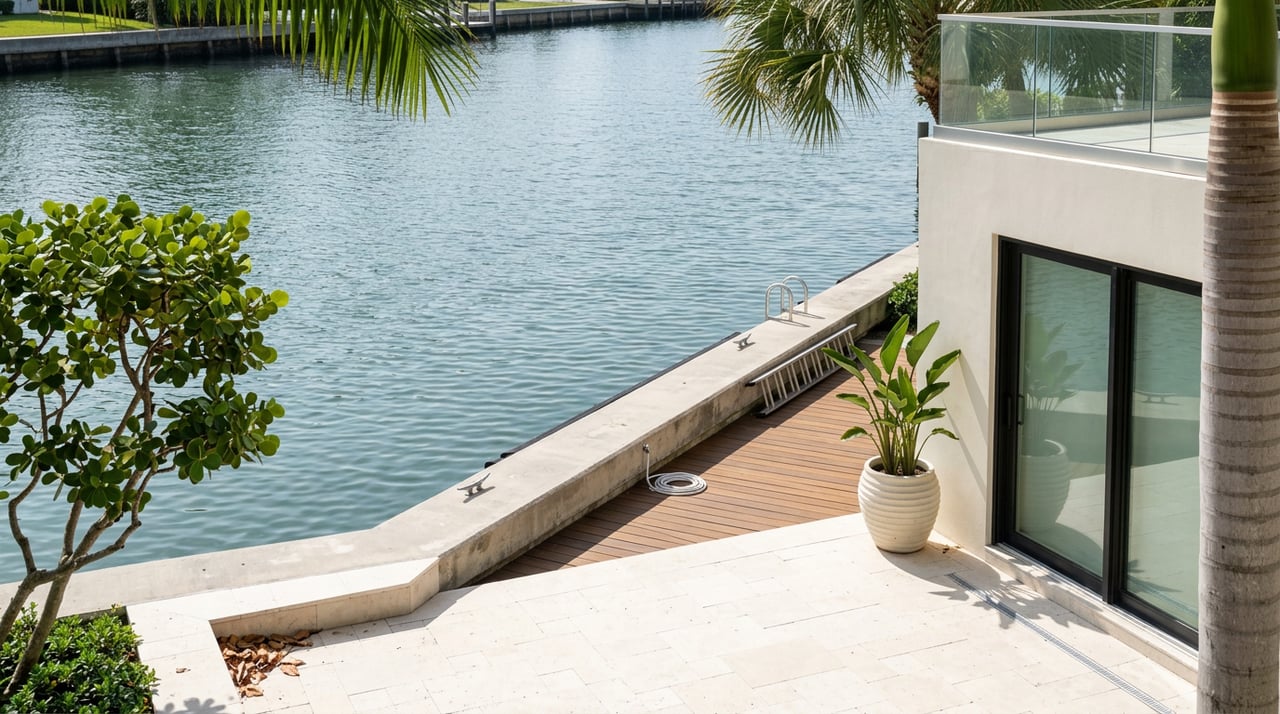
You know you want the St. Pete waterfront lifestyle, but are you better suited to Snell Isle or Venetian Isles? Both deliver docks, big-water views, and that breezy coastal feel. The difference comes down to how you boat, how you live day to day, and what you plan to do with the property over time. In this guide, you’ll compare boating access, downtown convenience, lot and rebuild potential, flood and insurance considerations, and current price ranges so you can choose with confidence. Let’s dive in.
Snell Isle vs. Venetian Isles: quick take
- Snell Isle puts you closer to downtown’s parks, dining, and culture, with a mix of historic and luxury homes plus canal and bayfront options. Neighborhood guides note its integration with downtown amenities and water on three sides, including the St. Petersburg Yacht Club’s nearby marina. You get a high-end urban-coastal lifestyle with notable architecture and prestige. Explore the city’s neighborhood context.
- Venetian Isles was designed as a canal-based island community where most homes have private docks and quick runs to open water. You trade some downtown walkability for larger direct-waterfront lots, longer seawalls, and a strong open-bay feel. The setting suits boaters who want easy, everyday access to Boca Ciega and Tampa Bay.
Boating access and vessel fit
If boating is your top filter, start here.
- Venetian Isles: Most homes sit on navigable canals that open quickly to Boca Ciega Bay. Many listings highlight long seawalls, heavy-duty lifts, and wide sight lines, especially on point lots. If you want an open-water experience with room for serious docking hardware, Venetian Isles often delivers.
- Snell Isle: You’ll find a blend of canal slips, protected basins, and prized Tampa Bay frontage. Some parcels around Brightwaters point offer large seawalls and big views, while narrower canal lots suit smaller boats. The nearby St. Petersburg Yacht Club marina adds a protected-harbor option for members. See the club’s waterfront overview for context on local amenities at the St. Petersburg Yacht Club.
Navigation details matter. Depth at mean low water, channel routes, and any bridge clearances determine what fits at a specific address. For planning, consult local marinas, NOAA charts, and the USCG Local Notice to Mariners. A helpful primer on Tampa Bay cruising reminds boaters to verify depths and routes before committing to a vessel plan. Review this guidance in BoatTest’s Tampa Bay overview.
Downtown convenience and lifestyle
- Snell Isle: If you want quick bike or golf-cart access to waterfront parks, restaurants, and cultural venues, Snell Isle is the winner. City neighborhood guides describe it as tightly connected to downtown’s amenities, which is a major lifestyle advantage for dining, arts, and events. Check the city’s neighborhoods overview.
- Venetian Isles: Expect a quieter island residential feel with a focus on private outdoor space and time on the water. There is a voluntary neighborhood HOA and community activity, but you will drive to downtown. Many buyers choose it for the daily ease of boating and a relaxed canal-island rhythm.
Both neighborhoods are served by the same waterfront fire station, underscoring shared access to city emergency response and marine rescue support. See the station map for context at St. Pete Fire Rescue Stations.
Lots, frontage, and rebuild potential
- Venetian Isles: The community skews to single-story ranch and Mediterranean-influenced homes from the late 1960s and 1970s. Typical parcels are around a quarter acre, and point lots can offer expansive frontage and big-lift capacity. Many homes have been renovated, and there is ongoing demand for modern rebuilds on premium water positions.
- Snell Isle: Development spans historic Mediterranean and Mission styles, midcentury homes, and recent luxury estates. Canal parcels can be narrower, while bayfront and point lots trend larger and more irregular. Buyers often accept fewer total lots and higher pricing in exchange for location, character, and prestige.
Planning a major renovation or teardown? Be mindful of FEMA’s Substantial Improvement and Substantial Damage rules, often called the 50 percent rule. If improvements meet or exceed 50 percent of a structure’s pre-improvement market value, you may need to elevate and bring the home to current floodplain standards. Read FEMA’s guidance on SI/SD requirements here: FEMA Substantial Improvement basics.
Flood, insurance, and long-term risk
Most waterfront parcels in St. Petersburg sit in FEMA Special Flood Hazard Areas. That affects design choices, permitting, and insurance. Key considerations:
- Flood exposure and recent storms: The region has seen notable coastal flooding in recent hurricane events, which has more buyers asking for Elevation Certificates, flood-claim histories, and documentation for any post-storm repairs. For broader context on recent flooding impacts, see this reporting on 2024 storm flooding.
- Insurance budgeting: Compare both NFIP and private-market flood insurance options. Premiums vary by elevation, construction type, and mitigation features such as flood openings and raised systems.
- Permitting and compliance: Verify whether prior work triggered substantial-improvement rules, and confirm if the property has a current Elevation Certificate. FEMA’s SI/SD guidance explains the thresholds and documentation you should expect. Review FEMA’s SI/SD summary.
Emergency response is shared across both areas by the city’s waterfront station. Learn more at St. Pete Fire Rescue Stations.
Price bands and market feel
These neighborhoods are small and inventory can be tight. A single sale on a trophy point lot can move a monthly median, so it is best to treat aggregator numbers as a snapshot, not a rule.
- Snell Isle: Zillow’s neighborhood index reported an average home value near 1.28 million dollars as of Jan 31, 2026. Realtor trend pages have shown median listings often in the 1.1 to 1.4 million dollar range depending on the month and metric. Both sources frame Snell Isle as a top-tier luxury area.
- Venetian Isles: Redfin’s Jan 2026 snapshot showed a median sale near 1.01 million dollars, but with wide swings month to month. The range spans mid six figures to several million dollars, driven by waterfront frontage, elevation, and new-construction rebuilds.
How to use the data: cite the provider and date, then confirm 12 to 24 months of closed comps with your agent. In waterfront areas, price per linear foot of seawall or waterfront often tells you more than price per square foot of living area.
Due-diligence checklist for waterfront buyers
Use this list on any address you are serious about.
- Flood and elevation
- Confirm the parcel’s FEMA flood zone, effective FIRM panel and date, and request an Elevation Certificate.
- Ask for the seller’s flood insurance declarations and any flood-claim history. See FEMA’s SI/SD overview for how upgrades can trigger compliance.
- Dock and seawall
- Document seawall age, construction type, and inspection history. Ask for permits and vendor invoices for recent work.
- Verify the dock permit number, permitted lift capacity, and the installed lift rating.
- Navigation and vessel fit
- Measure mean-low-water depth at the dock and along the route to open water. Note any bridge clearances and turning room. For planning context, review Tampa Bay cruising guidance.
- Property and permitting history
- Pull building permits for additions, elevations, or significant repairs. Confirm whether work triggered substantial-improvement requirements. For parcel records and office contacts, start with the Pinellas County Property Appraiser.
- Insurance and operating costs
- Obtain quotes for both NFIP and private flood insurance, plus homeowners, wind, and liability. Ask about any non-renewals or coverage restrictions.
- Zoning, HOA, and covenants
- Review HOA status and any dock, exterior, or rental rules that could affect your plans.
- Market comparables and price context
- Analyze 12 to 24 months of sold comps. In these neighborhoods, frontage and water type often outweigh interior finishes on value.
Decision guide: which fits you best
Choose Venetian Isles if you want:
- Quick open-water access and wide canal or point-lot views.
- Long seawalls, heavy-lift capacity, and a layout built around daily boating.
- A quieter island setting where private outdoor space is the focus.
Choose Snell Isle if you want:
- Proximity to downtown’s dining, arts, and waterfront parks.
- A mix of historic architecture and luxury estates with prestige addresses.
- A peninsula setting with both protected-basin and bayfront options.
Your next step
Whether you prioritize boat size, rebuild potential, or a morning walk to downtown coffee, the right fit comes from seeing how each neighborhood feels from the water and the street. When you are ready to tour select lots, review elevation and dock documents, and map your boating routes, connect with Kym Coyle for concierge, local-first guidance.
FAQs
Is Venetian Isles or Snell Isle better for large boats?
- Venetian Isles often offers longer seawalls and heavy-duty lifts on point or wide-canal lots, while Snell Isle’s fit varies by canal vs. bayfront; confirm vessel size with mean-low-water depths, routes, and permits before you buy.
How close are these neighborhoods to downtown St. Petersburg?
- Snell Isle sits immediately northeast of downtown with quick access to parks and dining, while Venetian Isles is a few miles farther and trades walkability for larger direct-waterfront lots and fast bay access.
What should I know about flood insurance on St. Pete waterfronts?
- Most parcels fall in FEMA flood zones, so budget for NFIP or private flood coverage; get the Elevation Certificate, claims history, and compare quotes since elevation, construction, and mitigation drive premiums.
What is the 50 percent rule for flood-zone renovations?
- FEMA’s Substantial Improvement rule generally requires bringing a structure up to current floodplain standards if improvements meet or exceed 50 percent of the pre-improvement market value; review FEMA’s SI/SD guidance and local permitting.
Who handles emergency response in Snell Isle and Venetian Isles?
- Both areas are served by the city’s waterfront fire station in the Shore Acres area, which supports marine rescue and neighborhood response; see the station map on the city’s fire rescue site.
