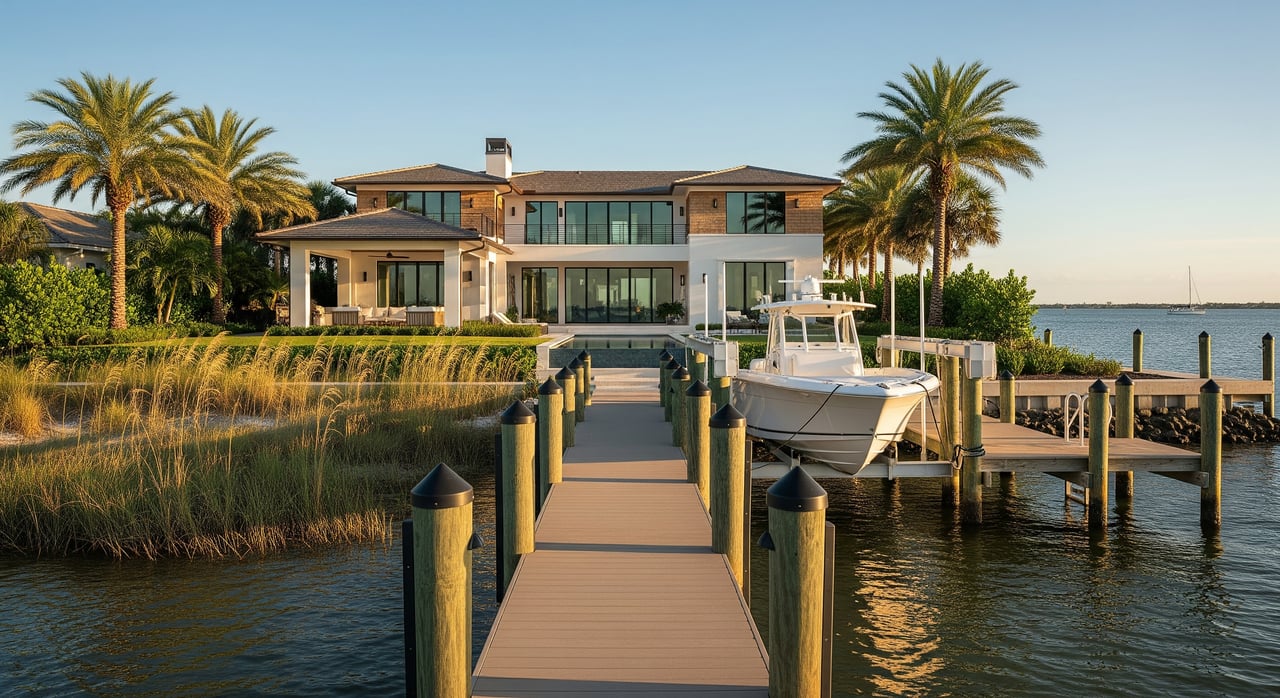
Thinking about a move to Shore Acres? If you love the idea of sunrise water views, quick access to downtown St. Petersburg, and an easy coastal rhythm, this neighborhood will catch your eye. Relocation comes with questions about commutes, flood risk, docks, and day-to-day essentials. In this guide, you’ll get a local-style overview of lifestyle, logistics, and must-know steps so you can relocate with confidence. Let’s dive in.
Shore Acres at a glance
Shore Acres sits along the Tampa Bay shoreline within greater St. Petersburg. You’ll find a primarily residential mix of single-family homes and small multifamily properties set near canals, bays, and tidal inlets. Many homes are older with tasteful renovations, and waterfront lots often include seawalls or docks.
The neighborhood puts you close to city life while preserving a relaxed, water-forward feel. Municipal services are typically provided by the City of St. Petersburg. If you are unsure whether your specific address sits inside city limits, start with the city’s official site to confirm utilities and permitting guidance through the City of St. Petersburg.
Housing and waterfront lifestyle
You can choose from classic ranch homes, updated coastal cottages, and homes with direct water access. Infill redevelopment is common across Pinellas coastal neighborhoods, so you’ll also see newer homes with modern wind and flood-resilient features.
Waterfront living is a major draw. If a dock or seawall is part of your wish list, plan to check permits, condition, and replacement timelines during due diligence. Inland blocks offer a traditional suburban feel and can reduce some waterfront-specific maintenance costs.
Getting around and commuting
Daily life here is car-friendly. Most residents drive to work and errands. Downtown St. Petersburg is a short drive for dining, arts, and offices. Regional commutes to Clearwater, Largo, or Pinellas Park are common. Trips to Tampa and the airports typically cross the Gandy or Howard Frankland bridges, or the Courtney Campbell Causeway depending on destination.
Public transit is available countywide. Review routes and schedules through the Pinellas Suncoast Transit Authority to see current service and nearby stops. Expect seasonal traffic to pick up on weekends, during tourist season, and around downtown events.
Water access and outdoor recreation
If you enjoy boating, fishing, kayaking, or paddleboarding, you will feel at home. Waterfront homes may include private docks. For public access, explore county facilities and launch points listed by Pinellas County parks and boat ramps.
Tides and channel depths can influence your time on the water. Before planning dock upgrades or a new lift, review environmental rules and permitting basics. For larger projects, you will likely coordinate with city, county, and state agencies.
Everyday essentials
You are within a quick drive of supermarkets, pharmacies, gas stations, and service providers. Downtown St. Petersburg and Central Avenue offer a wide dining scene for evenings and weekends. Gulf beaches like St. Pete Beach or Madeira Beach are a reasonable drive for sand and sunsets.
For healthcare, look to hospital systems in downtown St. Petersburg and nearby cities, with additional specialty care available throughout the Tampa Bay region. Establishing local primary care and urgent care is a smart early step after you move.
Schools and childcare
Public schools in most of Pinellas County are served by Pinellas County Schools. Assignment depends on your exact address and program options. Confirm attendance zones and enrollment steps through the district’s site at Pinellas County Schools.
Childcare and preschools are available across St. Petersburg, and spots can be competitive. It helps to contact providers early, especially if you will need care soon after closing.
Flood, insurance, and storm readiness
Flood risk is a key consideration in coastal Pinellas. Many blocks sit in FEMA-mapped Special Flood Hazard Areas. Before you buy, request a flood zone determination and factor flood insurance into your budget.
- Use the FEMA Flood Map Service Center to review current flood zones for a property.
- Explore long-term context with NOAA’s Sea Level Rise Viewer.
- Work with your insurance advisor early. Florida’s insurer of last resort provides guidance and coverage options at Citizens Property Insurance.
Hurricanes are part of life along the Gulf Coast. Roof age, impact-rated openings, and a clear storm plan matter for safety and insurance. For seasonal outlooks and preparedness tips, follow the National Hurricane Center.
Seawalls, docks, taxes, and HOAs
If you are buying on the water, request permits and inspection reports for seawalls and docks, and budget for future maintenance. Coastal work often requires approvals from local, state, and sometimes federal agencies. The Florida Department of Environmental Protection outlines coastal permitting basics at the Florida DEP.
Property taxes are assessed annually. Check market value, exemptions, and prior assessments with the Pinellas County Property Appraiser. Some neighborhoods have HOAs or deed restrictions that govern exterior changes, parking, storage, and short-term rental rules. Review covenants and recent meeting minutes early in your process.
Your 30/60/90-day relocation plan
A simple, staged plan helps you get settled and stay ahead of coastal ownership tasks.
First 30 days
- Utilities and services
- Confirm and set up water, sewer, trash, recycling, and electric through the City of St. Petersburg or Pinellas County if applicable.
- If the property has a well or septic system, schedule inspections and service contracts.
- Insurance and documentation
- Finalize homeowners and flood policies, and get proof of coverage for your lender.
- Collect prior permits, especially for roof, windows, seawall, and dock.
- Inspections and immediate items
- Complete wind mitigation, roof, pest, and mold inspections. For waterfront, bring in a marine contractor to evaluate the seawall and dock.
- Registration and address changes
- Update USPS, driver’s license, vehicle registration, and voter registration as needed.
Next 60 days
- Healthcare and schools
- Establish primary care and dental providers, and locate urgent care and emergency rooms.
- Enroll children in school and arrange for transportation through Pinellas County Schools.
- Neighborhood setup
- Join local association and social groups, and review any HOA meeting notes.
- Map out grocery stores, pharmacies, vets, and preferred service providers.
- Safety and maintenance
- Identify hurricane shutters or impact window documentation and finalize a storm plan. Monitor the National Hurricane Center during the season.
- Schedule routine HVAC, pest control, pool, and landscaping services.
Day 90 and beyond
- Long-term projects
- Plan roof work, seawall reinforcement, or dock upgrades outside peak storm season, and begin permits with the Florida DEP and local agencies if needed.
- Financial housekeeping
- Review tax bills and insurance. Adjust escrows or set a savings plan for special assessments.
- Lifestyle and community
- Explore county park passes and water access via Pinellas County parks and boat ramps. Join boating, fishing, or paddle clubs and enjoy downtown events.
Quick local contacts
Use these starting points to verify details for your specific address and needs.
- City services, utilities, and permitting: City of St. Petersburg
- Transit routes and schedules: Pinellas Suncoast Transit Authority
- Parks, boat ramps, and launches: Pinellas County parks and boat ramps
- Flood maps and elevation info: FEMA Flood Map Service Center
- Sea level and coastal data: NOAA Sea Level Rise Viewer
- Hurricane forecasts and advisories: National Hurricane Center
- Coastal permitting guidance: Florida DEP
- School zones and enrollment: Pinellas County Schools
- Property records and tax assessments: Pinellas County Property Appraiser
- Insurance market information: Citizens Property Insurance
Ready to explore Shore Acres?
If you want a waterfront-forward lifestyle close to downtown St. Petersburg, Shore Acres is a smart place to start. With the right prep on flood, insurance, and permitting, you can enjoy the best of Tampa Bay living and make a confident move. When you are ready, reach out to Kym Coyle for concierge guidance, neighborhood insight, and a seamless plan from first tour to closing.
FAQs
Is Shore Acres in a flood zone and will I need flood insurance?
- Many coastal blocks are in FEMA Special Flood Hazard Areas, and lenders typically require coverage there. Start with the FEMA Flood Map Service Center and get quotes early.
How do I evaluate a seawall or dock before buying in Shore Acres?
- Ask for permits and inspection reports, and hire a marine contractor to assess condition and remaining life. Review coastal rules through the Florida DEP.
What should I know about hurricane season near Shore Acres?
- Confirm roof condition and opening protection, assemble a storm plan, and follow updates from the National Hurricane Center during the season.
How do I check school assignment for a Shore Acres address?
- Use the address lookup and enrollment resources at Pinellas County Schools to verify zones and transportation options.
Are there public transit options from Shore Acres to downtown St. Petersburg?
- Yes. Check current routes and schedules with the Pinellas Suncoast Transit Authority, then test your commute at peak times for accuracy.
