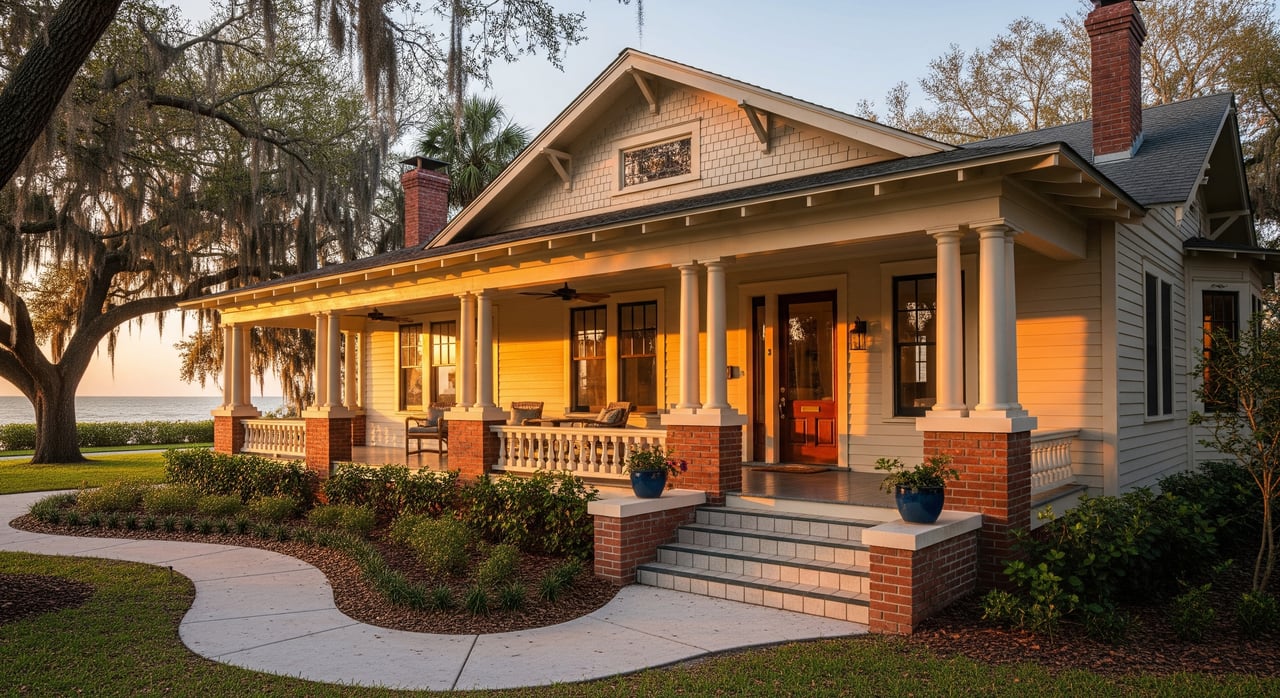
Pricing a historic Old Northeast home is part art, part data. If you own a 1920s bungalow or Mediterranean Revival beauty, you know its charm is hard to quantify. You want to protect your equity and the home’s character while attracting the right buyers who value both. In this guide, you’ll learn how to set a smart price, prepare for appraisal, and choose the updates that deliver a strong return, all tailored to Historic Old Northeast. Let’s dive in.
Why pricing here is different
Old Northeast sits near downtown St. Petersburg and the Tampa Bay waterfront, with tree-lined streets and early 20th century architecture. Many homes feature original millwork, heart pine floors, and period windows. Those qualities draw buyers who prize character, but they also make pricing more nuanced.
Not every property has a true apples-to-apples comparable sale. Some streets fall within locally designated historic districts where exterior changes visible from the street require review. That can influence both demand and appraisal. Before you list, verify whether your property is within a regulated district and which permits or approvals apply for exterior changes. This context helps you position the home and avoid surprises during negotiations.
What drives value in Old Northeast
Value in Old Northeast reflects lifestyle and place. Buyers respond to:
- Proximity to downtown, parks, and the waterfront
- Walkability and the neighborhood’s historic character
- Lot size, orientation to the bay, and mature landscaping
- Preserved original features that are well maintained
- Documented, permitted updates that respect the architecture
Factors that can temper price or narrow the buyer pool include smaller period floor plans, older mechanical systems, and coastal risk. In Pinellas County, flood risk, wind exposure, and insurability play a real role in affordability and lender acceptance. Elevation certificates, wind mitigation features, and roof condition influence premiums and buyer confidence.
How appraisers view historic homes
Appraisers rely primarily on the sales comparison approach and use the cost approach as a secondary check when comparable sales are scarce. Here is what that means for you:
- Sales comparison approach. The appraiser adjusts for size, lot, condition, location, and functional utility. If buyers in Old Northeast pay a premium for intact historic features and district location, that demand can be reflected as quality or location adjustments.
- Cost approach. Useful when comps are limited. Replacement cost less depreciation helps frame value, with depreciation accounting for physical wear and functional obsolescence like small kitchens or limited baths.
- Income approach. Usually not relevant for owner-occupied single-family homes unless there is defined rental potential.
Expect adjustments tied to:
- Historic integrity premium. Intact and well-maintained original details can command a premium if supported by market evidence.
- Condition and deferred maintenance. Old wiring, galvanized plumbing, tired roofs, and visible repairs needed will produce negative adjustments.
- Functional layout. Period floor plans with fewer baths or smaller kitchens often lead to downward adjustments unless they have been sensitively updated.
- Location and lot. Proximity to downtown and parks, corner locations, larger lots, and privacy are positives.
- Permitted, well-documented renovations. Work done with permits and contractor documentation typically carries more value in appraisal.
- Flood and insurance impact. High-risk flood zones and higher expected insurance costs can reduce effective market value, while mitigation steps and documentation help support price.
Build your pricing strategy
Step A: Set a baseline
Start with 4 to 6 recent closed sales inside Old Northeast or immediately adjacent neighborhoods. Focus on similar architectural style, lot size, and degree of historic integrity. Aim for the last 3 to 6 months to match current market conditions.
If true comps are scarce, widen the geographic area or expand the time window, then document why each comp is relevant and how you adjusted for location or market changes. A clear rationale helps both buyers and appraisers follow your pricing logic.
Step B: Quantify adjustments
Create a side-by-side list of features that differ from your baseline comps.
Positive items to quantify:
- Original details in excellent condition, such as millwork, floors, and windows
- High-quality, historically sympathetic restoration work
- Larger or better-oriented lot, proximity to water and downtown
- Permitted, recent updates such as HVAC or a new roof
Negative items to quantify:
- Unpermitted work or missing documentation
- Deferred maintenance and older systems
- Functional constraints like a single bathroom or minimal storage
- Flood zone classification and projected insurance costs
Use real numbers where possible. Gather contractor estimates and recent invoices to support each adjustment. Concrete data makes your price more defensible.
Step C: Choose a price tier
Pick a pricing path that fits your timeline, budget, and target buyer.
- As-is pricing. If you choose not to make improvements, price for current condition. Expect a narrower buyer pool and more investor interest.
- Curb-appeal refresh. Target high-ROI, visible projects like exterior paint, porch repairs, light landscaping, and a simple kitchen refresh. This can broaden demand and justify a higher list price.
- Turnkey restored. Complete deeper updates that honor the architecture, including kitchen and bath systems, HVAC, and select flood mitigation if needed. This can attract premium offers but requires a careful cost-benefit analysis and may extend your timeline.
Keep time on market in mind. Higher prices for fully restored homes can be achieved, but days on market may lengthen if the list price sits above recent sales.
Step D: Prepare for appraisal
Provide a comprehensive packet for the appraiser and serious buyers. Include:
- A list of permitted renovations, dates, and contractor invoices
- Photos that highlight preserved historic features
- Survey and any elevation certificate available
- Recent inspection reports for roof, termite, or mold if obtained
- Copies of local historic district approvals or certificates of appropriateness, if applicable
When comps are limited, consider a pre-list professional appraisal or a broker’s price opinion to support your list price with an independent valuation.
Prep that boosts ROI
Quick wins
Declutter to let original details shine. Clean and lightly stage to draw the eye to millwork, mantels, and floors. Refresh curb appeal with paint and porch touch-ups, tidy landscaping, and clear walkways. Address visible maintenance items like sagging steps, broken sash cords, or leaking gutters that can spook buyers.
Organize documentation before you list. Permits, surveys, warranties, and historical photos help buyers understand quality and care, which supports your price.
Medium-impact updates
Update core systems. Electrical, plumbing, and HVAC brought to current standards reduce buyer risk and support a stronger price. Tackle roof and structural repairs up front to avoid lender conditions later.
For kitchens and baths, choose historically sympathetic finishes and layouts that respect sightlines and materials. Buyers in Old Northeast often prefer tasteful updates that complement, not erase, period character.
Big-ticket, be selective
Whole-house rehabilitation can pay off when the projected resale value clearly exceeds costs plus risk. If not, selling as-is to a buyer who will complete the restoration may be smarter.
Flood mitigation or elevation is essential if flood risk materially affects insurability or financing. Obtain professional cost estimates and confirm potential insurance premium reductions before you commit.
Insurance, floods, and risk
In coastal Pinellas County, flood zones, roof condition, and wind-mitigation features directly affect affordability. Buyers will ask about current insurance, projected premiums, and available documentation. If you have an elevation certificate, wind mitigation inspection, or recent roof and window updates, gather those reports and receipts. They can improve insurability and help justify your price.
If you lack documentation, consider obtaining quotes from insurance professionals and a wind mitigation report. Transparent, organized information reduces objections and keeps deals on track.
Documentation buyers value
Assemble a complete file before going live. Prioritize:
- Property survey or plat
- Year built and any original plans or photos available
- Permits and final inspections for renovations
- Contractor invoices and transferable warranties
- Elevation certificate, if applicable
- Recent roof, termite, and mold inspections
- Historic district approvals or certificates, if applicable
These materials help appraisers and buyers understand your home’s story and condition, which supports confidence and price.
Common objections to plan for
Insurance cost. Buyers will factor in flood and wind insurance. Offer recent quotes and documents that support lower premiums, such as roof age or mitigation features.
Historic review. Some exterior changes in designated districts require review. Share clear guidance on local processes and timelines so buyers know what is possible.
Maintenance of original features. Explain routine care for wood windows and floors, and provide contractor contacts and maintenance history.
Layout and livability. If the floor plan is compact, show realistic options, prior approved renovations, or thoughtful staging that demonstrates modern function without sacrificing character.
Ready for market success?
If you are considering a sale in the next 6 to 12 months, a tailored valuation gives you clarity on price, timing, and which updates to prioritize. For the fastest, most accurate assessment, share the items below when you reach out:
- Address, year built, square footage, bed and bath counts
- Renovation list with dates, permits, and receipts
- Interior and exterior photos highlighting historic features and current condition
- Survey and any elevation certificate
- Historic district approvals, if applicable
- Recent utility and insurance cost estimates
- Any recent comparable sales you consider relevant
Want a local, detail-driven pricing plan and a concierge marketing strategy that respects your home’s history? Connect with Kym Coyle to request a custom Old Northeast valuation and plan your next steps with confidence.
FAQs
How do you price a historic home in Old Northeast?
- Start with recent local sales, adjust for historic integrity, condition, lot, and location, then document each adjustment with permits, invoices, and inspection data.
What upgrades add value without harming character?
- System updates, roof and structural repairs, light curb appeal, and historically sympathetic kitchen and bath improvements typically deliver the best return.
How do flood zones affect price in Old Northeast?
- High-risk flood zones can raise insurance costs and reduce buyer demand, while elevation certificates and mitigation features help support price and financing.
Do appraisers value original windows and floors?
- Yes, intact and well-maintained original features can contribute to value if market evidence shows buyers pay a premium for them in Old Northeast.
Should I renovate before listing or sell as-is?
- It depends on cost, timing, and your target buyer. Quick cosmetic and system updates often pay off, while full restorations require careful cost-benefit analysis.
