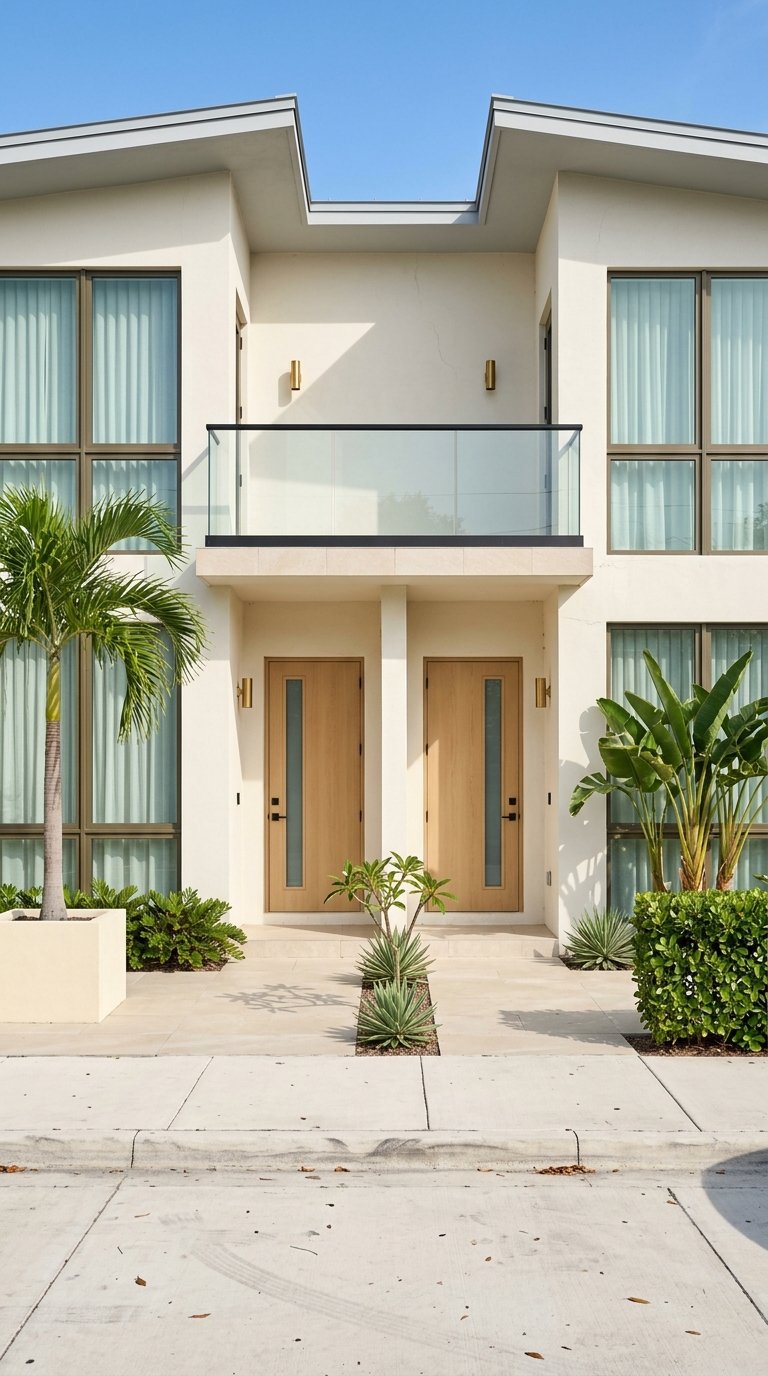
Looking at a duplex or fourplex a short stroll from the St. Pete Pier and Beach Drive? Downtown 33701 can lift both rents and resale value, but the right buy comes down to the block, the building, and the math. You want clear numbers, local nuance, and a plan to manage risks like flood insurance and zoning. In this guide, you’ll see what small multifamily looks like near Downtown St. Pete, current price and rent context, practical underwriting steps, and a simple pro forma you can adapt to any deal. Let’s dive in.
Why 33701 attracts renters
Downtown St. Petersburg commands a clear premium. As of February 2026, Redfin shows the citywide median sale price near $544,500, while 33701 carries a much higher median around $1,049,000. That premium reflects location, historic housing stock, and proximity to waterfront parks and entertainment.
Rents follow the same pattern. RentCafe’s January 2026 snapshot reports average Downtown St. Petersburg apartment rents around $3,098 per month compared with roughly $1,815 citywide. Inventory in the core skews toward condos and higher-end rentals, but well-finished 1 to 2 bedroom units in small multifamily can ride the same demand.
Walkability is a major draw. RentCafe also characterizes the downtown area as extremely walkable with a walk score near 99. Proximity to restaurants, arts venues, the St. Pete Pier, and the waterfront helps smaller units perform, especially for professionals who value location over square footage.
Local demographics support this mix. ZIP 33701 has a population around 18,800, a median household income near $73,000, and a median age in the mid-40s. There is a high share of non-family and one-person households, which pairs well with 1 to 2 bedroom rentals.
Property types near downtown
Expect variety. Many duplexes and small buildings in and near 33701 date from the early 1900s through the 1960s, including bungalows, garden-style properties, and low-rise masonry and wood-frame structures. Historic pockets such as Old Northeast, Uptown and Roser Park, and nearby Bartlett Park include both renovated gems and classic value-add opportunities.
Lots tend to be compact. Many parcels sit in the 4,500 to 7,000 square foot range, often around 50 by 110 feet in older plats. Units are commonly 1 to 2 bedrooms. You’ll occasionally see detached guest cottages or garage apartments. Treat those as potential upside, but confirm zoning and historic rules before you underwrite extra income.
Parking can be tight. On-street parking and small yards are common near the core. Lack of off-street parking can limit appeal for some tenants and may restrict expansion options.
Pricing and recent sales
The spread is wide inside 33701. Recent public records and broker-reported sales illustrate how micro-location and condition drive price. Examples include closings from the low $200,000s for fixers up to about $1.08 million for renovated or historic boutique multifamily. Within one zip code, a polished Old Northeast duplex can trade at a premium, while a Bartlett Park fixer down the street may sell for a fraction of that number.
The takeaway is simple. Underwrite block by block. Building age, condition, lot size, and whether the property presents as historic boutique multifamily can swing values by hundreds of thousands of dollars.
Rents and cap rate expectations
Use neighborhood-level rent comps. Downtown averages sit around $3,098 per month per RentCafe’s January 2026 data, but that blends studios through larger units and many condos. For a duplex or fourplex, pull unit-by-unit comps within about a half mile. Fit and finish, outdoor space, and parking all matter.
Work with realistic underwriting ranges:
- Vacancy allowance: 5 to 10 percent for stabilized downtown units, depending on quality and tenant base.
- Cap rates: 5 to 7 percent is a practical working range in Pinellas small multifamily, with lower yields for premium downtown locations and higher yields for older C-class assets.
- Expense ratio: 35 to 50 percent of effective gross income is a quick first check on older Florida small multifamily, subject to actual taxes, insurance, and maintenance.
- Management: 5 to 10 percent of effective gross income, depending on whether you self-manage.
- Reserves: Plan $300 to $600 per unit per year as a baseline, then adjust based on roof, HVAC, plumbing, electrical, and structural age.
Quick pro forma examples
Below are simple examples you can adapt. They are starting points, not predictions. Always replace with property-specific rents, tax estimates, and insurance quotes.
Example A: Turnkey duplex near the core
- Purchase price: $650,000
- Units: Two 2-bedroom units at $2,700 each
- Gross potential rent: $5,400 per month, $64,800 per year
- Vacancy and collection loss: 8 percent = $5,184
- Effective gross income: $59,616
- Operating expenses: 40 percent of EGI = $23,846 (includes taxes, insurance, management, utilities as applicable)
- Net operating income: $35,770
- Implied cap rate on price: about 5.5 percent
Sensitivity notes:
- If market rent is $2,400 per unit, EGI drops and cap rate compresses, which can justify a lower offer price.
- If insurance or taxes are higher than assumed, the expense ratio rises fast. Quote those early.
Example B: Light value-add duplex
- Purchase price: $480,000
- After light renovation, target rents: $2,400 per unit
- Gross potential rent: $57,600 per year
- Vacancy and collection loss: 8 percent = $4,608
- Effective gross income: $52,992
- Operating expenses: 40 percent of EGI = $21,197
- Net operating income: $31,795
- If total project cost is $520,000 (purchase plus improvements), the stabilized cap rate is about 6.1 percent
These examples align with the 5 to 7 percent cap rate range locally. To sharpen your model, collect six to eight rent comps within a half mile, use the Pinellas County property appraiser tax estimator for the parcel, and build two to three insurance quotes.
Financing for 2 to 4 units
Owner-occupants have options. Two to four unit properties can qualify for conventional, FHA, or VA financing if you live in one unit. FHA 203(k) can combine purchase and rehab on eligible 2 to 4 unit properties when you intend to occupy the property.
For investors, expect DSCR or other commercial-style lending with lower loan-to-value ratios and rate structures tied to building income. Properties with five or more units usually fall under commercial terms with income-based underwriting.
Key risks to check early
Zoning and historic overlays. Confirm allowed uses, unit counts, and any exterior-change rules with the City of St. Petersburg before you plan an ADU, reconfiguration, or exterior updates in historic districts.
Short-term rentals. St. Petersburg enforces business licensing and zoning rules for short-term rentals. If you plan to model furnished stays, verify today’s rules and the business tax process before you write the pro forma.
Flood and sea-level exposure. Many downtown parcels are low-lying or near tidal water. Pull the FEMA Flood Insurance Rate Map panel, request any existing elevation certificate, and quote both NFIP and private flood coverage. Lenders will require coverage in certain zones, and premiums can materially impact cash flow.
Insurance and rebuild costs. Florida hurricane exposure and NFIP pricing updates have moved the insurance line item. Get full quotes early, not estimates. Ask carriers about roof age, wind mitigation credits, and any underwriting limits on older systems.
Landlord-tenant law. Florida’s Chapter 83 sets notice periods and process. For example, 3-day notices for nonpayment and 7-day cure notices for certain lease violations are common timelines. Build realistic expectations for legal process and potential downtime into your vacancy and reserves.
Due diligence checklist
Use this as a working list for your next offer:
- Verify zoning, unit count, and lot dimensions with the City of St. Petersburg.
- Pull six to eight recent rent comps within a half mile that match your unit type and finish level.
- Collect the full rent roll, all leases, and proof of tenant payments.
- Use the Pinellas County property appraiser tools and tax estimator to model next year’s taxes based on your offer price.
- Obtain the FEMA flood map panel, check the parcel’s flood zone, and request any elevation certificate on file.
- Quote wind, hazard, and flood insurance from two to three carriers.
- Hire a licensed inspector to review roof, HVAC, plumbing, electrical, and structure. Price any deferred maintenance with contractors.
- Order title, and review any easements, covenants, or historic restrictions.
- Confirm financing eligibility if you plan to occupy a unit, including FHA 203(k) timelines and scope.
- Build base and downside scenarios: 5 to 10 percent vacancy, 35 to 50 percent expenses, and a realistic reserve line for year one if repairs are needed.
How a local advisor adds value
Downtown small multifamily is hyper-local. One side of a street can feel very different from the other, and rent spreads reflect that. You want a partner who knows which blocks pull premium rents, which roofs and systems are nearing replacement, and how historic overlays shape your plans.
With concierge-level service, hyper-local knowledge across Old Northeast, Uptown and Roser Park, Bartlett Park, and the waterfront core, and a curated vendor network, you get speed and clarity from the first showing. From block-level rent comps to insurance introductions and contractor bids, you move from guesswork to confident decisions.
Ready to underwrite your next duplex or fourplex in 33701 with precision? Reach out to Kym Coyle for local guidance and a clear plan from offer to close.
FAQs
What makes 33701 small multifamily attractive today?
- Downtown 33701 shows higher sale prices and higher average rents than the city overall, with strong demand driven by walkability, waterfront amenities, and employment anchors.
How should I underwrite vacancy and expenses downtown?
- Many investors use 5 to 10 percent vacancy and a 35 to 50 percent expense ratio as a first pass, then refine with actual tax and insurance quotes for the address.
Are short-term rentals allowed in Downtown St. Pete duplexes?
- Rules depend on zoning and licensing. St. Petersburg enforces permitting and use limits, so verify current code and the business tax process before assuming STR income.
How do flood zones affect financing and insurance in 33701?
- Properties in certain flood zones require flood insurance, and premiums vary with elevation. Pull the FEMA map, request any elevation certificate, and obtain quotes early.
What cap rate should I target for a downtown duplex?
- A 5 to 7 percent cap rate range is a practical starting point in Pinellas small multifamily, with lower yields for premium locations and higher yields for older assets.
Can I use FHA 203(k) for a 2 to 4 unit near downtown?
- Yes, if you plan to occupy one unit and the property and scope meet program rules, FHA 203(k) can combine purchase and rehab into one loan.
