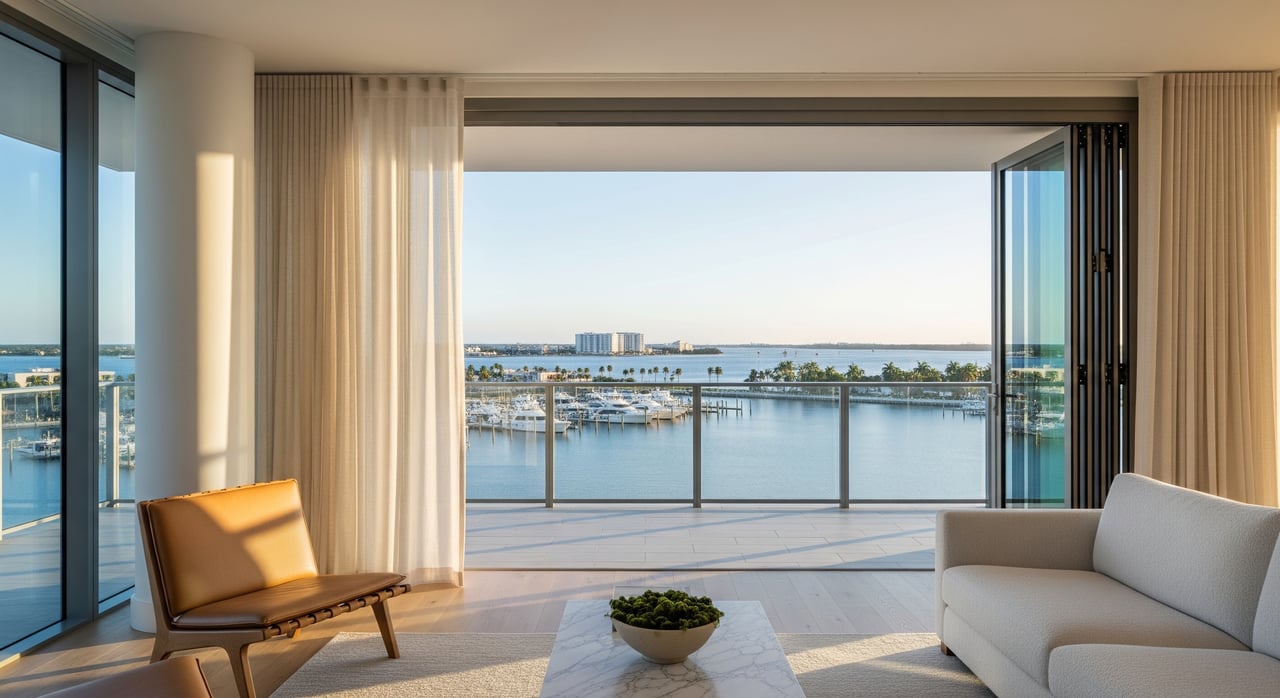
Imagine stepping out your front door to sunrise jogs along the bay, coffee on Beach Drive, and evening gallery strolls on Central Avenue. If downtown energy and waterfront parks are your style, a condo in 33701 can fit your life. Still, buying a downtown condo is different from buying a house. In this guide, you’ll learn the neighborhoods, building types, HOA questions to ask, and a clear checklist to tour with confidence. Let’s dive in.
Why 33701 for condo living
Downtown St. Petersburg gives you a walkable lifestyle with restaurants, galleries, and waterfront parks all within minutes. You can spend a Saturday at the reimagined St. Pete Pier or explore world-class art at The Dalí Museum. The vibe is urban and coastal at the same time, which is why many buyers choose 33701 for year-round living or a seasonal home.
Market dynamics shift often in this core downtown ZIP. Prices, days on market, and inventory change with tourism cycles and broader Florida demand. For current numbers, plan to review MLS data with your agent and cross-check sales history through the Pinellas County Property Appraiser.
What you’ll find: condo types
High-rise towers
You’ll see full-service towers with concierge, covered parking, and bay views. These buildings often have pools, fitness centers, club rooms, and robust staffing. Expect higher HOA dues that reflect amenities and service levels.
Mid- and low-rise buildings
Many mid-century or post-war buildings offer a simpler lifestyle with lower dues and smaller amenity packages. They can be great entry points, but review reserves and maintenance plans because older systems may need updates.
Boutique and historic conversions
Smaller buildings with character and fewer units appeal if you value a quieter scale. Governance can be more hands-on. Review how the association manages projects and reserves.
Mixed-use residences
Homes above retail or office space give you a front-row seat to Beach Drive and Central Avenue. They are highly walkable. Pay close attention to parking, noise at different hours, and guest parking rules.
HOA rules and finances that matter
Buying a condo means joining an association. The health of that association affects your monthly costs and long-term value.
- Dues and coverage: Confirm exactly what your dues include, such as water, internet, reserves, and the master insurance policy. Ask for the current budget and reserve allocations.
- Reserves and assessments: Review the reserve study, last 2 to 3 years of financials, and recent board minutes for talk of special assessments. Florida’s condo law sets standards and disclosures. You can read the Florida Condominium Act (Chapter 718) for context.
- Insurance and deductibles: Associations carry master policies, but owners are usually responsible for interior coverage and potential loss assessment deductibles. Learn the wind/hurricane and flood deductibles and how they are funded. For state-level context, see guidance from the Florida Office of Insurance Regulation.
- Litigation and claims: Active lawsuits or repeated insurance claims can affect budgets and financing. Request disclosures and check recent minutes.
- Rentals: Rules vary by building, and city ordinances may also apply. If you’re investing, confirm minimum lease terms, any rental caps, and whether short-term rentals are allowed. You can review city code through St. Petersburg’s municipal code library and then check the condo documents.
- Pets and assistance animals: HOA pet rules can set size/number limits. Assistance animals are governed by fair housing rules; review federal guidance on assistance animals and reasonable accommodations.
Parking and EV charging
Parking options influence value and daily convenience.
- Deeded parking gives you the strongest ownership rights.
- Assigned or permit parking depends on HOA policies and availability.
- Guest parking rules matter if you entertain.
- Street and municipal garages are a backup but can add a walk.
- EV charging is increasingly important. Ask about existing stations, electrical capacity, and policies for adding a charger.
Neighborhood clusters at a glance
North Waterfront / Vinoy area
- Boundaries: Bayshore Drive NE and Beach Drive NE north of downtown, extending to 4th Street NE.
- Character: Premium waterfront addresses with park access and strong amenities.
- Nearby: Vinoy Park, North Straub Park, and a short walk to the Pier.
- Buyer notes: Views drive value. Confirm flood zone and wind exposure. Parking is at a premium.
Beach Drive promenade
- Boundaries: Beach Drive between Vinoy Park and the Pier, extending one block inland.
- Character: Luxury condos and mixed-use buildings with a signature waterfront promenade.
- Nearby: Museums, dining, public art, and events along the bayfront.
- Buyer notes: Top-tier walkability. Dues may reflect extensive common area maintenance.
Central Avenue corridor
- Boundaries: Central Avenue from 1st Street to about 6th Street and adjacent blocks.
- Character: Lively arts and dining, mid-rise condos, boutique lofts and conversions.
- Nearby: Galleries, nightlife, and services.
- Buyer notes: Urban energy and potential noise. Review parking and guest policies.
South/Lower Downtown and Warehouse Arts
- Boundaries: South of Central Avenue toward 5th Avenue S and toward the Warehouse Arts District.
- Character: Smaller buildings, lofts, and creative spaces.
- Nearby: Arts studios and museums, with easy bike rides to the waterfront.
- Buyer notes: Unique character and often lower entry prices. Amenities may be simpler.
Inland and park-adjacent (Mirror Lake)
- Boundaries: West of Beach Drive toward 4th Avenue N and the Mirror Lake area.
- Character: Older low-rise buildings and some conversions near civic and park amenities.
- Nearby: Mirror Lake Park and municipal services.
- Buyer notes: Quieter pockets with smaller associations and varied governance styles.
Touring and due-diligence checklist
Use this list to compare buildings apples-to-apples and avoid surprises.
Documents to request
- Resale package: budget, reserve study, bylaws and declarations, rules, most recent financials, and 12 months of minutes.
- Insurance certificate and deductible details for the master policy.
- Any notices of special assessments and recent board communications.
- Parking deed or assignment documents.
- Rental policy summary and any short-term rental history if investing.
- Unit owner ledger for dues and outstanding assessments, if available.
Questions to ask
- What do dues include and how are reserves funded?
- Date and results of the latest reserve study; percent funded.
- Past or planned special assessments over the last 5 to 10 years.
- Any current litigation or insurance claims.
- Parking assignments, EV policies, and guest parking rules.
- Pet policies and fees.
- Rental rules, minimum lease periods, and any city licensing requirements.
- Recent capital projects and funding plans.
- Management structure: on-site manager, doorman, or concierge hours.
On-site inspection tips
- Exterior and common areas: look for peeling paint, water stains, standing water in the garage, cracked sidewalks, and pool deck condition.
- Elevators: ask about maintenance logs and modernization.
- Unit: check for water stains, window/slider age and impact rating, balcony and railing condition, and any signs of moisture or odor.
- Noise and light: visit at different times to assess street activity and privacy.
- Parking access: test ingress/egress during peak times; confirm guest signage.
- Connectivity: verify internet providers and cell signal.
Financing, insurance, and closing
- Lender approvals: some lenders require building certifications and owner-occupancy thresholds. Check early to avoid delays. For general prep, see the CFPB’s condo-buying guidance.
- Flood risk: confirm FEMA flood zone status and any past flood claims. The FEMA Flood Map Service helps you check by address.
- Insurance: clarify what the master policy covers and your interior coverage needs. Understand percentage-based hurricane deductibles.
- Title and assessments: search county records for liens or special assessments. Use the Pinellas County Property Appraiser for parcel history and sales data.
After you go under contract
- Request the most recent minutes, updated financials, master policy declarations, rental register, and any engineering or reserve reports referenced during negotiations.
Practical buyer scenarios
- First-time owner-occupant: Focus on walkability, responsive management, and healthy reserves with manageable dues. Confirm move-in policies and elevator booking windows.
- Relocating buyer: Tour at different times of day to understand noise and traffic. Verify parking, storage, and bike access.
- Investor: Verify city rules and HOA restrictions for rentals. Expect limited options for short-term rentals and plan financing accordingly.
- Budget-conscious: Look inland or toward smaller buildings for lower prices and, in some cases, lower flood exposure. Tradeoffs may include fewer amenities.
Your next step
If downtown living is on your list, you deserve clear answers and a smooth process. From pinpointing the right buildings to reviewing reserves, insurance, and rental policies, you can move forward with confidence. For concierge-level guidance and a refined search in 33701, connect with Kym Coyle.
FAQs
What should I know about HOA dues in downtown St. Pete condos?
- Dues vary by building and amenities; review the budget, reserve allocations, and what utilities or services are included before you make an offer.
Are short-term rentals allowed in 33701 condo buildings?
- Rules differ by association and may be affected by city ordinances; confirm both the condo documents and the city’s municipal code before you plan rentals.
Do I need flood insurance for a downtown St. Pete condo?
- Many parcels are in FEMA flood zones; check the address on the FEMA Flood Map Service and verify how the association and unit owner coverage work together.
How do assistance animals work with condo pet rules?
- HOAs must follow fair housing guidance on assistance animals; review federal HUD resources on assistance animals and confirm the association’s process for accommodations.
How can I research a building’s financial health before buying?
- Request the full resale packet with financials, reserve study, and meeting minutes, and cross-check sales history through the Pinellas County Property Appraiser.
