Torn between a low-maintenance condo and a private home in Snell Isle? You want waterfront access, quick reach to St. Petersburg’s culture and dining, and a smart long-term move, but the tradeoffs can feel complex. This guide breaks down lifestyle, costs, maintenance, insurance, and financing differences so you can choose with confidence. Let’s dive in.
Snell Isle snapshot
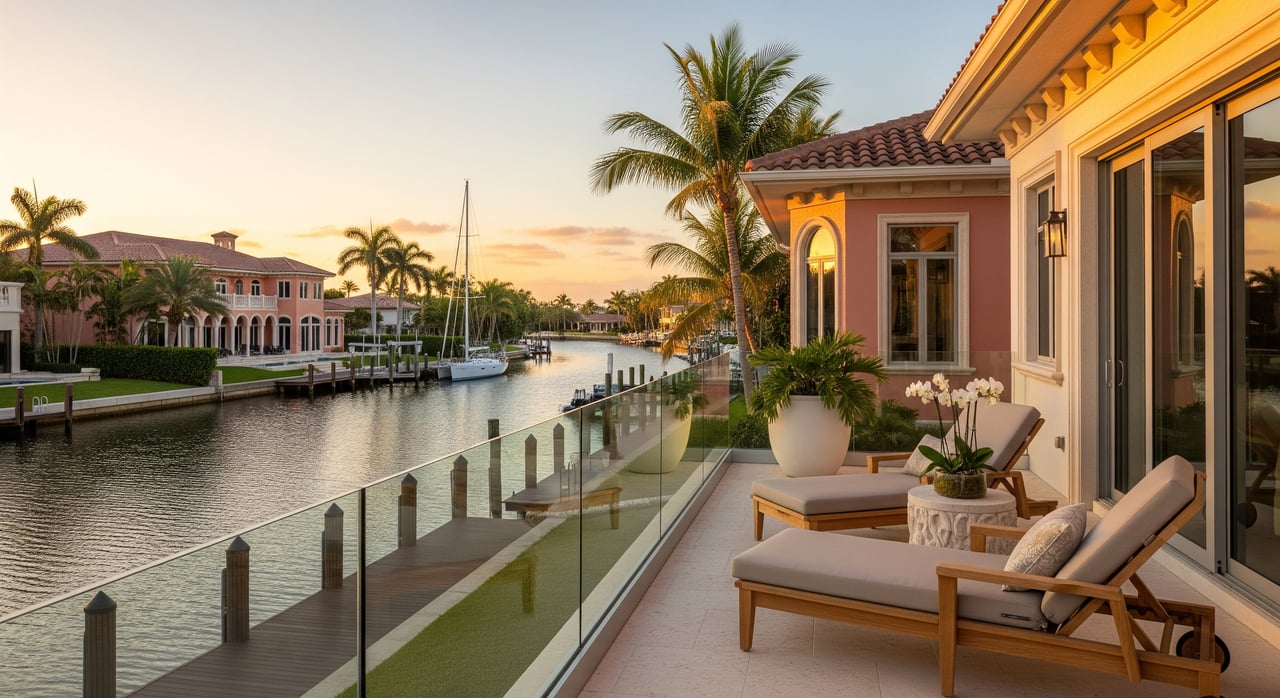
Snell Isle sits just northeast of downtown St. Petersburg on a scenic peninsula along Tampa Bay. You will find tree-lined streets, waterfront views, and a mix of historic homes and newer construction. Housing options range from single-family bungalows and custom estates to low- and high-rise condo buildings, some with marina access and shared amenities.
Coastal locations often carry price premiums and unique risk considerations. In Pinellas County, hurricane, wind, and flood exposure can influence insurance costs, inspections, and maintenance planning. Some exterior renovations may be subject to local design review or historic considerations. Always confirm specifics with the City of St. Petersburg before planning changes.
Condo living: who it fits
Condo life often appeals if you want a lock-and-leave setup. The association typically handles exterior upkeep, landscaping, roofing, elevators, pools, and common areas. Many buildings offer amenities like fitness rooms, social spaces, or a concierge-style lobby.
You share decisions with neighbors through the association. Rules can cover renovations, rentals, pets, and use of common areas. Monthly fees fund maintenance, reserves, and master insurance for the building. Fees vary by building age, amenities, and insurance costs.
On resale, condos attract buyers who value convenience and included services. Keep in mind that higher fees, tight rental policies, or special assessments can influence buyer demand. Financing can also be more complex because lenders review the entire condo project, not just your unit.
House living: who it fits
Single-family homes offer privacy and control. You can manage your landscaping, upgrade exterior finishes, and plan expansions within local codes. Many properties include private amenities like a pool, garage, or dock.
With control comes responsibility. You will manage all exterior upkeep, from lawn care and pest control to roof and pool maintenance. On the waterfront, you may also be responsible for seawall or dock repairs and permits.
Resale often benefits from yard space, garage parking, and expansion potential. Buyers should be comfortable with higher hands-on maintenance and insurance planning, especially in coastal areas.
Monthly costs: side by side
Condos
- Association fees typically cover common area maintenance, building insurance through a master policy, reserves, and sometimes utilities.
- You still need an HO-6 policy for your unit interior, personal property, and loss assessments. Confirm what the master policy covers, including flood.
- Special assessments can occur if reserves are insufficient for large projects. Review reserve studies and recent work.
- Property taxes are assessed by the Pinellas County Property Appraiser. If the condo is your primary residence, you may be eligible for a homestead exemption.
Single-family homes
- No or low HOA is common, but you must budget for all exterior maintenance, landscaping, pool service, and repairs.
- You will carry a homeowners policy and likely separate flood insurance if required by lender or advisable based on location.
- Plan for capital items like roof replacement or seawall and dock work if waterfront.
- Property taxes are set by the Pinellas County Property Appraiser, and homestead exemptions may apply to primary residences.
Maintenance and repairs
Condos
- Routine exterior work is handled by the association. This can reduce day-to-day tasks and is attractive if you travel often.
- Older buildings may face deferred maintenance that affects insurance underwriting, special assessments, and resale. Review engineering reports and meeting minutes when available.
Single-family homes
- You manage all exterior and systems maintenance unless a neighborhood HOA includes services. Vet vendors for lawn, pool, and pest control.
- Waterfront owners should evaluate docks, bulkheads, and shoreline stabilization needs, which can require specialized care and permitting.
Waterfront realities in Snell Isle
Waterfront value is a major driver in Snell Isle, but it comes with added responsibilities. Seawalls, docks, and marina elements require upkeep and may need permits from county or state agencies. In a condo community, the association manages shared marina maintenance, and costs can pass to owners through fees or assessments. In a single-family home, those costs fall directly on you.
Flood risk is an important consideration. Many properties in coastal Pinellas fall within FEMA flood zones where lenders commonly require flood coverage. Check a property’s flood zone early and compare quotes before you write an offer.
Financing and resale
Condos
- Lenders review the condo project’s health, including owner-occupancy ratios, commercial space, assessment history, and reserves.
- FHA or VA buyers may need the building to meet specific approval criteria. Ask your lender early to confirm options.
- Resale can be influenced by monthly fees, rental policies, and the building’s maintenance track record.
Single-family homes
- Financing typically has fewer project-level constraints, though the home must meet appraisal and condition requirements.
- Many buyers favor privacy, yard space, and the ability to expand. Waterfront homes often command strong demand among buyers who understand and accept coastal maintenance and insurance needs.
Regulations to confirm
- Historic or design review: Parts of Snell Isle reflect historic character, and design guidelines may apply. Confirm with the City of St. Petersburg before exterior changes.
- Docks and seawalls: Waterfront work can require local and state permits. Plan timelines and budgets accordingly.
- Short-term rentals: City and county rules apply, and many condo bylaws restrict lease terms. Review association documents carefully.
Buyer checklist: condos
- Current budget, financials, reserve fund balance, and recent reserve study
- Minutes from the past 12 to 24 months of meetings
- Any special assessments, recent or pending
- Master insurance declarations and whether flood is included
- Rules and bylaws, including pets, renovations, and rental terms
- Owner-occupancy and rental percentages
- Capital project history: roof, windows, exterior paint, elevators
- Pending litigation affecting the association
- Parking, storage, and boat slip availability and fees
Buyer checklist: single-family homes
- General home inspection with roof, HVAC, and structural focus
- Seawall and dock inspection and permit history if waterfront
- Pest and termite inspection
- Storm and flood damage history and repairs
- Utility bills, landscaping, pool, and other service contracts
- Any neighborhood HOA documents if applicable
Buyer checklist: both property types
- FEMA flood zone determination and preliminary flood insurance quotes
- Property tax history through the Pinellas County Property Appraiser
- Homestead exemption eligibility for primary residences
- Local zoning and permitted uses for additions or accessory structures
- Homeowners and wind insurance quotes early in the process
Next steps in Snell Isle
- Tour properties at different times of day to gauge noise, parking, and activity.
- Request association documents and budgets before you make an offer on a condo.
- Order professional inspections, including seawall and dock evaluations for waterfront.
- Confirm flood zone status and obtain flood and homeowners insurance quotes early.
- Check permit history and any code issues with the City of St. Petersburg.
- Speak with your lender about condo project approvals and get pre-approved.
- If you plan renovations or waterfront work, clarify required permits and timelines.
- Discuss tax implications and homestead eligibility with a local tax professional.
If you want a clear, tailored path through these choices, let’s talk about your goals, timeline, and budget. With concierge-level guidance and deep neighborhood insight, Kym Coyle will help you compare options, line up inspections and documents, and move forward with confidence.
FAQs
Do condo HOA fees replace homeowners insurance in Snell Isle?
- No. The master policy covers parts of the building, but you still need an HO-6 policy for interior finishes, personal property, and loss assessments.
Are condos easier to maintain than houses in Snell Isle?
- Generally yes for exterior tasks, since associations handle common areas, but you still manage interior upkeep and potential special assessments.
Is flood insurance required for Snell Isle homes?
- If a property lies in a FEMA flood zone and you have a mortgage, lenders commonly require flood insurance; it is also prudent for coastal risk.
Are insurance costs higher on Snell Isle than inland Pinellas?
- Often yes. Coastal exposure to wind, hurricanes, and flooding can increase premiums and may involve percentage-based hurricane deductibles.
Can I rent out a Snell Isle condo?
- Possibly, but many associations limit short-term rentals and set minimum lease terms; review the bylaws and local ordinances before you buy.
Do condos appreciate less than single-family homes in St. Petersburg?
- Appreciation varies by location, building health, fees, and demand; some buyers prioritize convenience and amenities over maximum appreciation.
