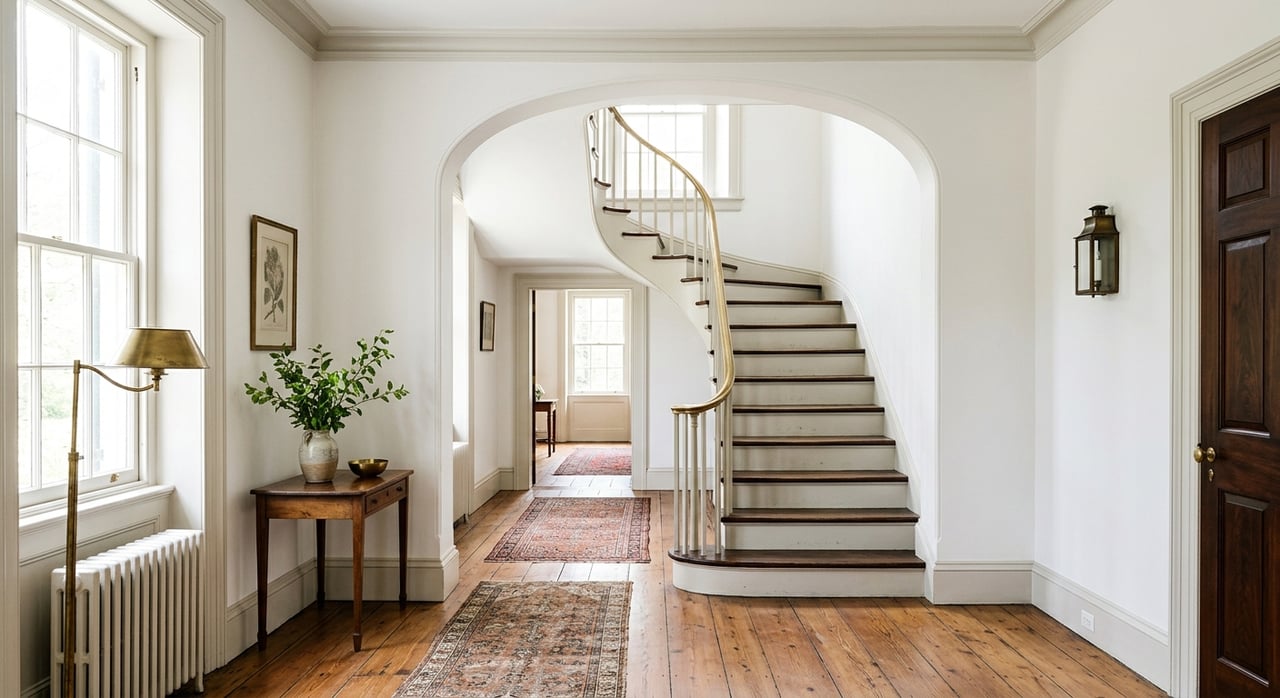
Dreaming about a Historic Old Northeast home usually starts with the charm. Brick streets, hexagonal block sidewalks, mature landscaping, and early 20th-century architecture create a setting that feels distinctly St. Petersburg. If you are considering buying here, you also need a clear plan for inspections, permits, insurance, and long-term upkeep. That is how you buy with confidence. Let’s dive in.
Why Historic Old Northeast Stands Out
Historic Old Northeast is the area the National Park Service identifies as the North Shore Historic District, also known as Old Northeast. It was one of St. Petersburg’s first suburban residential areas outside the central business district and spans roughly 425 acres. That history still shows up in the neighborhood’s layout, streetscape, and housing stock.
Part of the appeal is that the historic character is visible well beyond the homes themselves. Brick streets, granite curbing, and hexagonal block sidewalks all contribute to the setting buyers notice right away. HONNA also describes Historic Old Northeast as the city’s first organized neighborhood, which helps explain the strong neighborhood identity many buyers are drawn to.
What Homes Here Actually Look Like
One of the biggest misconceptions about Historic Old Northeast is that every home fits one look or one restoration standard. In reality, the district includes a wide mix of architectural styles and building periods. Most contributing homes were built between about 1910 and 1950, and many are one- or two-story residences.
The National Park Service lists styles that include:
- Frame Vernacular
- Masonry Vernacular
- Classical Revival
- Colonial Revival
- Craftsman/Bungalow
- Prairie
- Mediterranean Revival
- Minimal Traditional
- Mission
- Tudor Revival
- Ranch
- Art Moderne
- Monterey
That variety matters when you are shopping. Some homes will have more original features intact, while others may have had additions, exterior updates, or partial renovations over time. Garages and garage apartments are also part of the historic fabric, so those structures should be included in your due diligence.
Why Confidence Matters More Here
A historic home purchase is rarely just about square footage and finishes. In Historic Old Northeast, you are also buying into a property with a specific context, possible preservation oversight, and maintenance needs that can be very different from a newer home in St. Petersburg.
That does not mean you should be nervous. It means you should be thorough. With the right questions and the right local team, you can enjoy the charm of an older home without getting surprised by issues that could have been identified before closing.
Check Historic Status Early
Before you fall in love with a paint color or start planning exterior changes, confirm the property’s historic status. St. Petersburg’s preservation rules are one of the first things to understand when buying in this area.
The city says certain work on historically designated property requires a certificate of appropriateness, often called a COA. That includes exterior alterations, new construction, demolition, and relocation for local landmarks and local landmark districts. The city also says structures in locally designated or nationally designated historic districts may not be exempt from permit requirements.
The practical takeaway is simple: do not assume exterior changes will be routine just because the home is older. If you are thinking about windows, additions, roofing changes, or other visible exterior work, confirm what approvals may apply before closing.
Use GIS Tools Carefully
St. Petersburg offers preservation GIS tools that separate National Register historic districts from local historic districts. The city’s mapping also includes brick-street and hex-sidewalk layers, which can help you understand the historic context around a property.
Still, the city also says this GIS information is for informational purposes and should not be used to make financial commitments. That means you should verify parcel status directly with city staff before closing or before starting work. A map is a good starting point, not a final answer.
Review Permit History Before You Buy
For a Historic Old Northeast purchase, permit history is one of the most valuable records you can review. If a home has had additions, roof replacements, window work, or other exterior updates, you want to know whether that work appears consistent with city records.
A smart due-diligence approach includes:
- Reviewing the property’s permit history in the city’s residential-permits GIS
- Asking the seller for documentation on visible exterior changes
- Looking closely at additions, detached garages, and garage apartments
- Confirming whether major upgrades were completed with appropriate permits
This step can help you spot gaps between what you see and what is documented. It can also help you plan future work more realistically.
Understand Possible Tax Incentives
Historic ownership can bring rules, but it may also bring benefits. St. Petersburg code provides for ad valorem tax exemptions for qualifying improvements to historically designated property.
The key word is qualifying. Eligibility should be confirmed with the city rather than assumed. If you are buying a home with plans for substantial work, this is a worthwhile question to raise early in your research.
Prioritize the Right Inspections
In a neighborhood filled with older homes, a standard inspection is only part of the picture. Your inspection strategy should reflect the age, materials, and systems common in Historic Old Northeast properties.
Florida’s Chief Financial Officer says insurers commonly look at four major areas in a four-point inspection:
- Roof
- Plumbing
- Electrical wiring
- HVAC
These systems can affect both insurability and your budget after closing. If the roof is 15 years old or older, Florida’s CFO also notes that an insurer must allow a roof inspection before requiring replacement in order to issue or renew coverage. That makes roof age and condition a major early conversation, not a last-minute one.
Watch for Termites and Moisture
Historic Florida homes need extra attention when it comes to wood and moisture. UF/IFAS says drywood termites typically infest sound, nondecayed wood in older homes and may be found in attics, framing, fascia, window sills, doors, and even furniture.
That is why a wood-destroying organism inspection is an important part of the process. UF/IFAS also recommends making termite prevention part of a general maintenance plan and notes that annual renewal inspections by a trained, licensed termite inspector are a good practice.
Moisture management deserves the same level of focus. UF/IFAS advises weather-sealed windows and doors, gutters and downspouts that direct water away from the foundation, grading that moves rain away from the house, and dry, ventilated crawlspaces. In Florida’s rain and humidity, small defects can turn into larger issues if water is not managed well.
Pay Attention to Windows and Storm Readiness
Windows are a big part of the character of many Historic Old Northeast homes, but they are also a practical ownership issue. UF/IFAS notes that Florida windows must balance heat, condensation, and storm resistance.
For buyers, that means window condition should be reviewed with both preservation and performance in mind. If impact upgrades or other storm-hardening improvements are on your future wish list, ask early how those plans may interact with the property’s historic context and local review requirements.
Review Flood Risk Before You Commit
Flood risk should be a standard part of your decision-making in Pinellas County. The county says everyone lives in a flood zone, and it also notes that flood zones and evacuation zones are different.
Pinellas County recommends starting with the county Flood Map Service Center and checking an elevation certificate when one is available. The county also says flood insurance is required for federally backed mortgages in high-risk flood zones. In Historic Old Northeast, especially in a coastal market, flood-zone review should happen before closing and ideally before you finalize your comfort level on monthly ownership costs.
Build the Right Buying Team
A purchase in Historic Old Northeast usually goes more smoothly when you have professionals who understand older homes and local conditions. The right team can help you connect the dots between charm, condition, permitting, and future costs.
A practical team often includes:
- A historic-savvy buyer’s agent
- A general home inspector
- A WDO inspector
- An insurance agent who can interpret four-point and mitigation reports
- A contractor or architect with older-home and preservation experience
That combination can help you evaluate not just whether a house is beautiful, but whether it is workable for your timeline, budget, and plans.
Plan for Ownership, Not Just Closing Day
Buying with confidence means thinking beyond the transaction. Historic homes can be deeply rewarding to own, but they usually need an ongoing maintenance mindset.
Long-term planning should include a budget for roof and gutter upkeep, paint and caulking, termite monitoring, moisture control, and storm-hardening improvements when appropriate. For eligible owner-occupants, Florida’s My Safe Florida Home program is also worth researching because it offers free wind-mitigation inspections and matching grants up to $10,000 for qualifying storm-hardening improvements.
When you look at ownership this way, you can make a stronger buying decision. You are not just choosing a home for today. You are choosing a home you can care for well over time.
Buying Historic Old Northeast With Peace of Mind
Historic Old Northeast offers architecture, streetscapes, and neighborhood character that are hard to duplicate anywhere else in St. Petersburg. The key is matching that charm with informed due diligence, realistic expectations, and a local guide who understands the details that matter.
If you are considering a home in Historic Old Northeast, the best next step is to get clear on the property’s status, condition, insurance path, and long-term upkeep before you commit. For concierge-level guidance rooted in St. Petersburg expertise, connect with Kym Coyle.
FAQs
What makes Historic Old Northeast different from other St. Petersburg neighborhoods?
- Historic Old Northeast includes the North Shore Historic District identified by the National Park Service and is known for its early residential history, brick streets, hexagonal block sidewalks, granite curbing, and a broad mix of early- to mid-20th-century homes.
Do Historic Old Northeast homes all follow one architectural style?
- No. The district includes many styles, including Craftsman/Bungalow, Mediterranean Revival, Colonial Revival, Tudor Revival, Prairie, Ranch, and others, so buyers should expect variety rather than one consistent look.
Do exterior changes on a Historic Old Northeast home need city approval?
- They may. St. Petersburg says exterior alterations, new construction, demolition, and relocation on certain historically designated properties can require a certificate of appropriateness, so buyers should confirm requirements with the city.
What inspections matter most when buying an older home in Historic Old Northeast?
- A general inspection is important, but buyers should also pay close attention to four-point items like roof, plumbing, electrical, and HVAC, along with a wood-destroying organism inspection and a careful review of moisture-related conditions.
How should buyers check flood risk for a Historic Old Northeast property?
- Pinellas County recommends reviewing the county Flood Map Service Center and checking an elevation certificate when one is available. Buyers should also remember that flood zones and evacuation zones are not the same.
Can historic homeowners in St. Petersburg receive tax benefits for improvements?
- Possibly. St. Petersburg code provides for ad valorem tax exemptions for qualifying improvements to historically designated property, but eligibility should be confirmed directly with the city.
