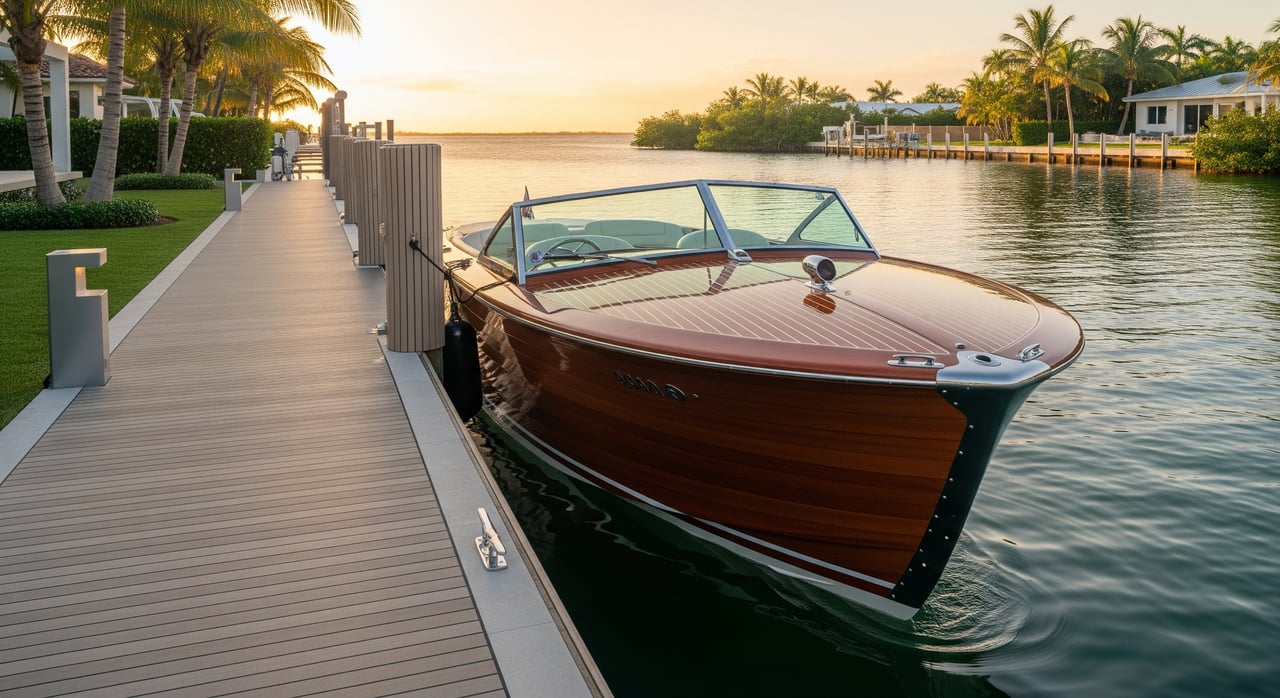
If your perfect morning starts with coffee on the dock and a smooth run to open water, Venetian Isles delivers. You live on canals that connect you to Boca Ciega Bay and greater Tampa Bay, which makes planning your routes, tides, and bridge clearances essential. In this guide, you’ll learn how to reach the bay and Gulf confidently, where to verify official navigation info, and how boat size and canal placement affect daily convenience. Let’s dive in.
Know your two boating zones
Venetian Isles boating happens in two distinct zones. First is the canal and harbor zone, where you’ll move at slow speeds in narrow water with docks, seawalls, and occasional shallow spots. Second is the bay and coastal zone, where you’ll follow marked channels, manage tidal currents, and consider bridges and passes.
You’ll typically idle out of your canal, merge into nearshore Boca Ciega Bay, then choose your direction. Many residents head north and east into the larger Tampa Bay system or west toward the barrier islands and passes that open to the Gulf.
Typical routes from Venetian Isles
Most outings follow a simple pattern: canal exit to nearshore bay waters, then either Tampa Bay or the Gulf. If you aim for city views and broad cruising grounds, you’ll angle into Tampa Bay toward downtown St. Petersburg or farther north toward areas near Gandy. If you chase the Gulf, you’ll track southwest along Boca Ciega Bay toward barrier-island passes such as the John’s Pass and Blind Pass area.
Your vessel and the tide will guide your final choice. Deeper-draft boats should favor the marked channels. Shorter hops on a bay boat or center console may allow more flexibility, but tide timing still matters in shallower sections.
Plan for tides, depth, and channels
Depth varies by canal and at canal mouths, and local shoaling can change over time. Before you buy or launch, verify depth in front of your dock at mean low water and check the depth at the canal entrance. Identify the nearest marked channel in the bay and sketch your route to your chosen pass or destination.
Use official chart data to plan accurately. Review the area on current NOAA electronic navigational charts and confirm tide timing with NOAA Tides & Currents predictions. A modest tidal range can still make a big difference for draft-sensitive boats at canal mouths and sandbars.
Confirm bridge clearances every trip
If your route passes under bridges, verify your air draft against published clearances and the day’s tide. Note the structure type, published clearance at mean high water, and any opening schedules for drawbridges. Account for antennas, radar arches, and canvas when calculating total air draft.
Check official sources before you go. Review the U.S. Coast Guard Bridge Program for bridge information and use the U.S. Coast Guard Local Notice to Mariners to catch any status changes to aids to navigation or bridge operations. Cross-reference with your charts and plan your timing so you do not get stuck waiting on water levels.
Find marinas and on-water services
Full-service marinas and municipal facilities along major channels usually offer the widest range of support. When you are comparing options, look for:
- Fuel docks and fuel types, including diesel. Confirm pump hours and payment.
- Pump-out service, either at a dock or by service boat.
- Haul-out capacity, including travel lift rating, maximum LOA, and maximum beam.
- Transient slips or guest docks if you plan day trips with lunch stops.
- Maintenance specialties such as mechanical, bottom work, electronics, and canvas.
- Dry-stack storage or covered slips if off-water care matters to you.
Verify details directly before you rely on a facility. Call to confirm fuel availability, pump-out access, haul-out specs, and transient slip policies. You can reference municipal marina listings, official county pages for ramps and facilities, and respected boater directories for background, then validate with the marina itself.
Match boat size to your canal
Boat fit is about more than length. Draft, beam, air draft, and length overall all impact everyday convenience in Venetian Isles.
- Draft: Controls access through shallow canal sections and at the canal mouth during low water.
- Beam: Determines maneuverability in narrow canals and whether a boat fits your dock or a local slip.
- Air draft: Sets your bridge clearance limits, including fixed causeways and any drawbridge spans you might encounter.
- LOA: Affects turning radius in tight basins and whether nearby yards can haul you out.
Smaller bay boats and center consoles are typically easy in and out of most canals. Larger express cruisers and sailboats can work beautifully with the right lot and canal placement, but you will want verified depths at mean low water, a wide turning basin, and a clear path to a marked channel. If you plan big-boat ownership, identify nearby yards that can lift your LOA and beam.
Canal placement and lifestyle trade-offs
Where your home sits on the canal network shapes your day. A lot on a deep, wide canal near the mouth reduces transit time, cuts exposure to any shallow spots, and makes docking simpler. Interior or dead-end canals can be peaceful, but they may require more careful maneuvering and stronger docking skills with larger boats.
Living close to a marked channel reduces the time you spend idling in neighborhood waters and simplifies routes for deeper-draft vessels. If you dream of frequent Gulf runs, being closer to open bay water can make spontaneous trips easier.
Daily launch and return checklist
A short pre-departure routine keeps your day smooth and stress-free. Adapt this to your vessel and crew:
- Review the latest chart view for your route on NOAA electronic charts and scan the USCG Local Notice to Mariners for updates.
- Check tides and currents at the nearest station using NOAA Tides & Currents and plan shallow transits for the right tide.
- Confirm bridge clearances against your vessel’s air draft and that day’s predicted water levels.
- Brief your crew on lines and fenders for tight canal maneuvering.
- Verify fuel level and identify your intended fuel stop if you are running a longer route.
On the return, slow early, rig fenders, and be patient in narrow canals. Use minimal wake, mind neighbors and docks, and watch for shoaling at canal mouths.
Local rules, speed zones, and safety
Follow posted speed rules and be mindful of manatee protection zones along Pinellas County waterways. Requirements for vessel registration and safety equipment apply on every outing. Review equipment lists for life jackets, fire extinguishers, sound signals, and visual distress signals.
For official guidance on boating rules, speed zones, and safety equipment, use the Florida Fish and Wildlife Conservation Commission boating resources. This is also a helpful resource for seasonal manatee zones and any local restrictions.
Buyer tips for waterfront lots
If you are evaluating a Venetian Isles waterfront home, confirm the on-water details that affect daily use. Ask for depth at mean low water at your dock and at the canal mouth, plus turning room for your intended LOA. If dredging matters to your plan, check county or city records and any HOA disclosures for dredging history and responsibilities.
Request a marine-focused property review. A dock inspection, a check of pilings and seawalls, and a practical assessment of route, depth, and bridge clearances will help you avoid surprises after closing. If you plan to live aboard or store a larger boat, confirm marina rules and storage options in advance.
Ready to match your boating lifestyle with the right Venetian Isles home? Connect with Kym Coyle for local insight, concierge guidance, and a smart plan from dock to closing.
FAQs
How long from Venetian Isles to open water?
- Transit times vary by your canal location and vessel speed. Plan around tidal windows if your boat draws more water, and estimate distance to the nearest marked channel before departure.
What boat sizes work best in Venetian Isles canals?
- Small to moderate powerboats like center consoles, bay boats, and small cruisers are common. Larger cruisers and sailboats can work with the right lot and verified depths and maneuvering room.
How do I check bridge clearances on my route?
- Compare your vessel’s air draft to official bridge data and tide predictions. Use the U.S. Coast Guard Bridge Program and NOAA Tides & Currents to verify clearances for your timing.
Where can I find fuel or pump-out service nearby?
- Full-service and municipal marinas along major channels typically offer these services. Call facilities directly to confirm fuel types, pump-out access, and hours before you go.
Who maintains canals and dredging in Venetian Isles?
- Canal maintenance can involve HOAs, private entities, or local government. Review county or city records and HOA disclosures for dredging history and responsibilities during due diligence.
